How to break free from tobacco dependence
Overcoming nicotine addiction requires addressing both physical cravings and psychological patterns, a process enhanced by evidence-based methods and contemporary alternatives.
/ 01
Health implications
Health risks of tobacco combustion explained
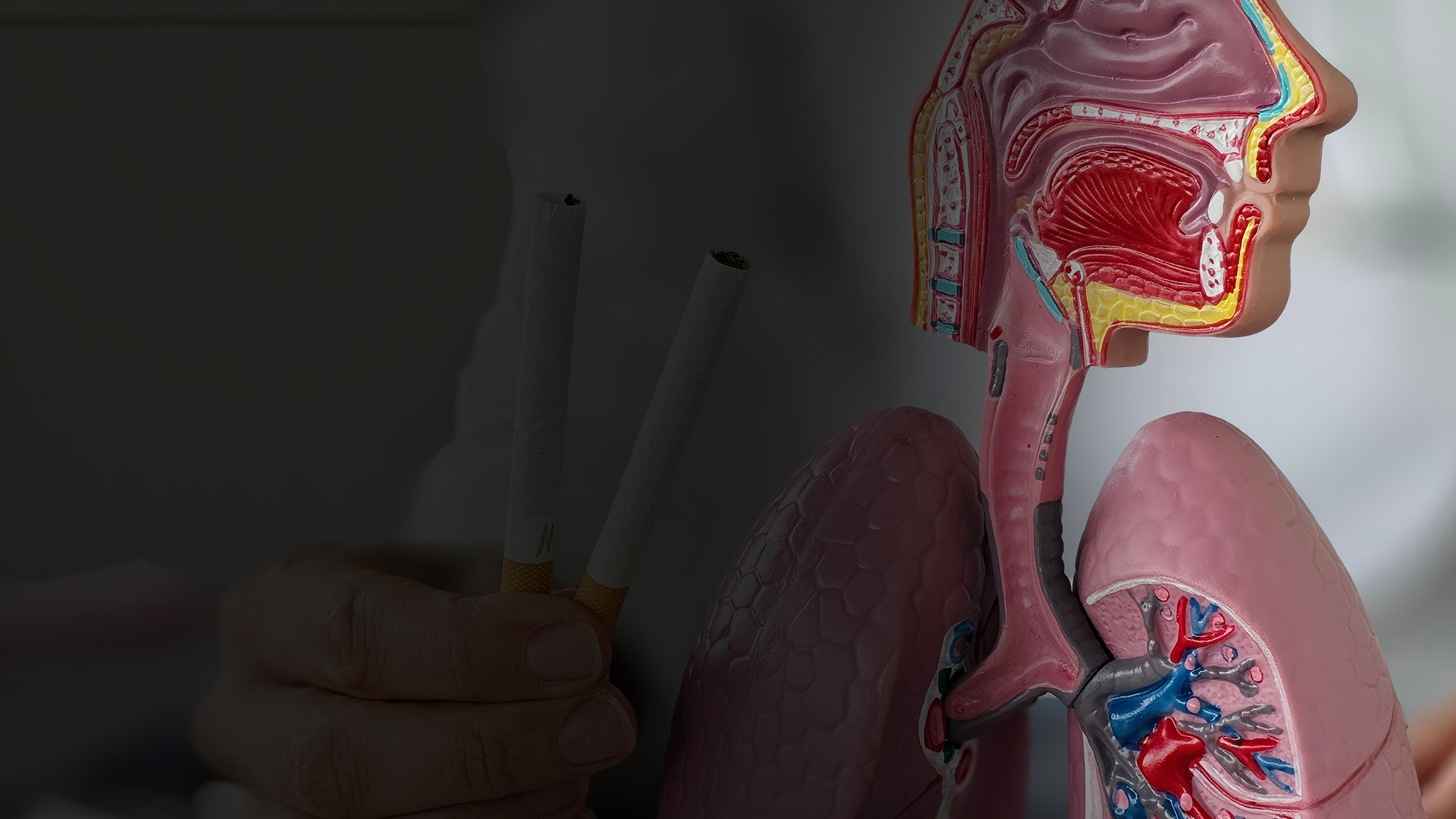
When tobacco burns, it releases a complex mixture of thousands of chemicals, including many known carcinogens. This toxic smoke directly affects the respiratory system, causing cellular damage and inflammation in the lungs. Over time, this exposure contributes to chronic conditions like emphysema and bronchitis, severely impairing lung function. The cardiovascular system is also heavily affected, as carbon monoxide displaces oxygen in the bloodstream and other chemicals damage the lining of arteries, increasing the risk of serious cardiac events.
Beyond the lungs and heart, the systemic effects of these toxins are widespread. They can accelerate skin aging, compromise the immune system, and increase the risk of various cancers, including those of the mouth, throat, and bladder. The prevention of these outcomes is the primary driver behind public health campaigns encouraging cessation.
Second-hand smoke exposes non-smokers to the same harmful compounds, posing significant health risks to family members and the public. Protecting others from this involuntary exposure is another critical aspect of health prevention related to tobacco use, highlighting the broader community impact of the habit and the importance of smoke-free environments.
/ 02
Practical methods
Proven cessation methods to quit smoking

How behavioral therapy supports cessation
Collaborating with a therapist helps identify personal smoking triggers and build practical coping strategies. Cognitive Behavioral Therapy (CBT) proves particularly effective for reframing thought patterns.

Nicotine replacement therapy products
Products like patches, gum, or lozenges deliver controlled nicotine doses, which helps manage withdrawal symptoms and cravings without the harmful tar found in cigarettes.

Cutting down cigarettes gradually
This approach involves systematically reducing the number of cigarettes smoked daily, allowing the body to gradually adjust to decreasing nicotine levels over time.

Quitting cold turkey explained
This approach requires considerable willpower, as it involves stopping all nicotine intake immediately. While challenging, many individuals find this abrupt method highly effective for them.

/ 03
Modern technology
Vaping and e-cigarettes: how they work
Electronic cigarettes work by heating a liquid, known as e-liquid, to create an aerosol, or vapor, that gets inhaled. This process avoids combustion, the chemical reaction that produces the most harmful components in cigarette smoke, such as tar. The devices consist of a battery, a heating element called an atomizer, and a tank to hold the e-liquid. This technology is often framed within the harm reduction concept, offering a viable alternative for adult smokers unable to quit nicotine entirely.
The composition of e-liquids typically includes propylene glycol, vegetable glycerin, flavorings, and varying nicotine concentration levels. The rise of nicotine salts has allowed for higher nicotine concentrations with less throat irritation, closely mimicking the rapid delivery of a traditional cigarette. The long-term health effects of inhaling these substances are still under extensive study, making it a complex topic for both users and public health officials who must weigh potential benefits for smokers against risks for non-smokers.
/ 04
Historical perspective
Tobacco’s cultural and historical journey
Before global commercialization, the tobacco plant held deep spiritual significance for many indigenous cultures in the Americas, used in rituals for healing and diplomacy. Its introduction to Europe in the 16th century transformed it into a major colonial trade commodity. The plant’s cultural role has since evolved from an elite luxury good to a mass-market product, its image heavily shaped by advertising and shifting social trends over the centuries, reflecting a complex and often controversial past.

Cessation aids
Patches, gums, and other nicotine replacement therapies.

Vaporizer types
Pod systems, mods, and disposable e-cigarette devices.
Health monitoring
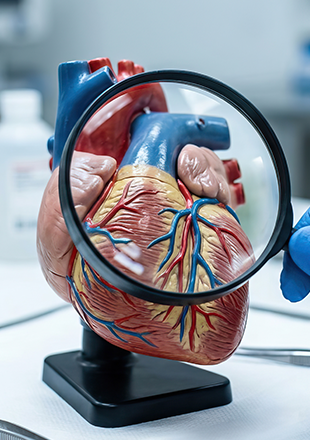
Regular check-ups to track cardiovascular health.